




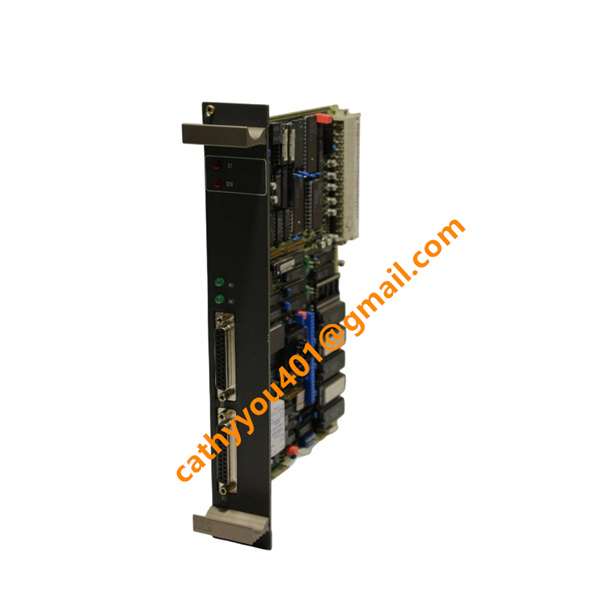
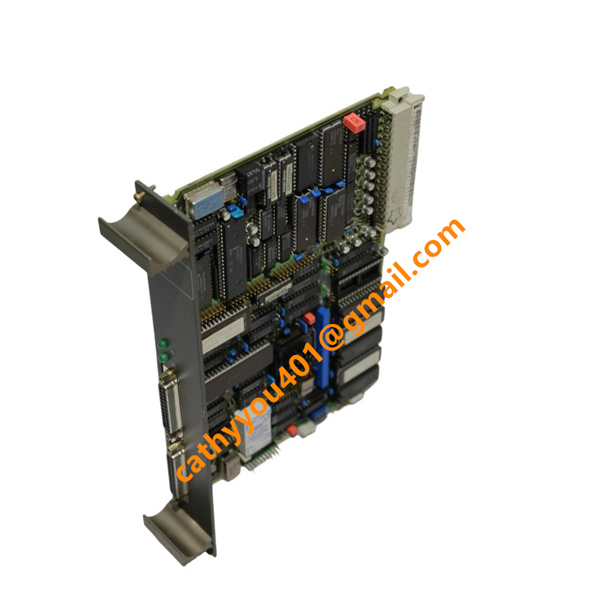







Description
-
BrandABB
-
Model83SR51E/R1210
-
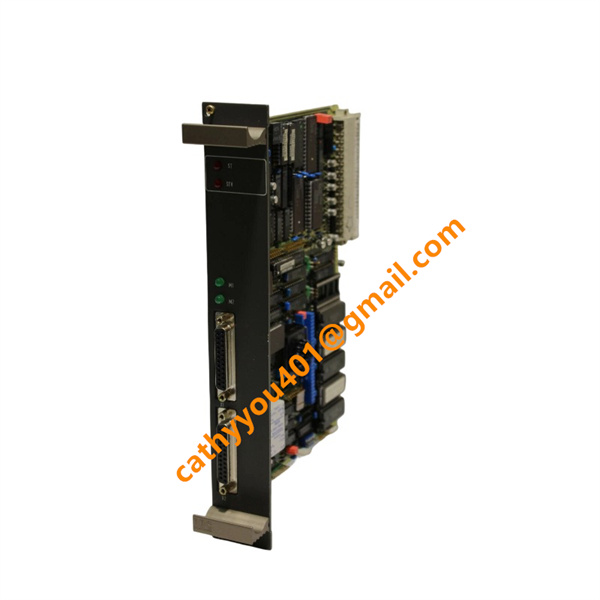
Product NameProcontrol P14 Analog Control Module / Processor Board
-
Country of OriginGermany
-
HS Code8538909100
-
Dimensions20 mm x 233 mm x 160 mm
-
Weight3.0 kg
-
Operating Temperature0 °C to +55 °C
-
Storage Temperature-40 °C to +70 °C
-
Part NumberGJR2396200R1210
-
Warranty12 month
-
Product StatusNew and original
ABB 83SR51E GJR2396200R1210 Technical Specifications and General Information
Channel Input Configurations
Total Process Interface Distribution: Equipped with 2 complex process interfaces catering to mixed-signal AX/DX environments.
Analog Input Channels: 12 hardware input channels designed to accept standard industrial signals such as 0-20mA, 4-20mA, or 0-10V configurations for tracking temperatures, pressures, and flow positions.
Digital (Binary) Input Channels: 4 dedicated digital input channels for processing discrete safety interlocks, manual overrides, or contact limit states.
Input Signal Filtering: Integrated hardware and firmware low-pass filters to suppress electromagnetic noise and contact bouncing in power plant environments.
Channel Output Configurations
Analog Output Channels: 2 continuous analog output channels designed to modulate control valves, speed governors, or external drive positioning controllers.
Digital (Binary) Output Channels: 1 dedicated high-speed digital output channel for trip mechanisms, relay triggers, or binary status signaling to adjacent racks.
Output Accuracy: High-precision digital-to-analog conversion ensuring drift-free signal execution during continuous load-cycling scenarios.

ABB 83SR51E GJR2396200R1210 Comprehensive Wiring and Slot Installation Method
Wiring a rack-based Procontrol module relies on the backplane connector terminal layout within the standard cabinet. Do not hot-swap or wire the backplane terminals while the chassis subrack is energized.
Subrack Power Isolation: Shut down the main power feed to the target Procontrol P14 subrack (housing frame). Verify using a multi-meter that the 24VDC/48VDC internal busbars are completely unpowered.
Backplane Slot Alignment: Locate the targeted slot according to your engineering documentation. Inspect the rear 96-pin DIN connector pins on the backplane to ensure there are no bent pins or foreign debris.
Signal I/O Field Termination: Route your field instrument twisted-pair cables (for the 12 analog inputs, 4 digital inputs, and analog outputs) into the corresponding screw-terminal block or wire-wrap posts on the rear backplane assembly corresponding to that specific slot.
Shield and Ground Termination: Ground the cable shields directly to the cabinet’s central copper ground busbar using short, heavy-gauge bonding straps to prevent high-frequency EMI from corrupting the 4-20mA signal lines.
Module Insertion: Carefully slide the 83SR51E card along the upper and lower plastic guide rails of the subrack. Push firmly but smoothly until the rear 96-pin plug mates tightly with the backplane connector. Flip the front-panel extraction handles inward to lock the card mechanically into position.
Initialization and Live Test: Re-energize the subrack power supplies. Observe the front-panel status indicators. The red fault/disturbance LED should flash briefly during boot-up and then extinguish, leaving the green run/activity LED lit, indicating the module has entered operational mode and is communicating over the system bus.

ABB 83SR51E GJR2396200R1210 Key Product Advantages
True Multiprocessor Independence: Each module acts as an autonomous computing node. If adjacent modules or data buses encounter faults, the 83SR51E continues to execute its internal control loops uninterrupted.
On-board Signal Processing: Minimizes field wiring overhead by converting raw analog data into calibrated engineering values right on the module's 32-bit hardware block.
Comprehensive Self-Diagnosis: Runs permanent, non-intrusive background hardware and software self-testing during live operation. Any internal failure is immediately reported via front panel LEDs and the system bus.
Evolution Without Obsolescence: Designed to easily match legacy Procontrol P14 architectures, allowing plant operators to extend the lifecycle of their existing automation infrastructure without expensive software re-engineering.