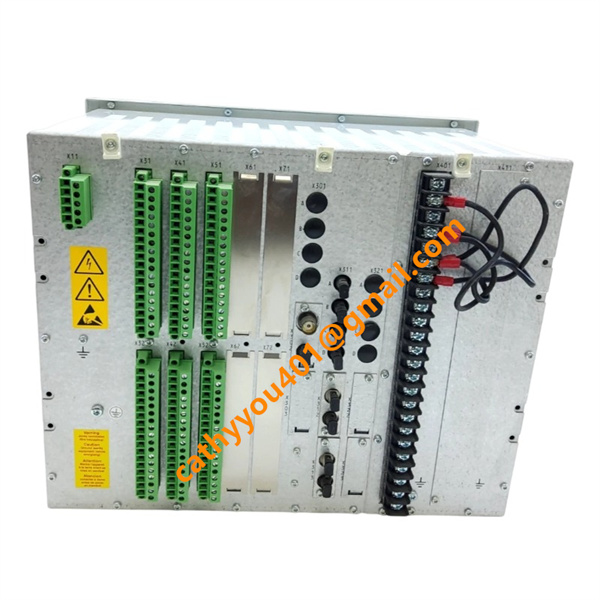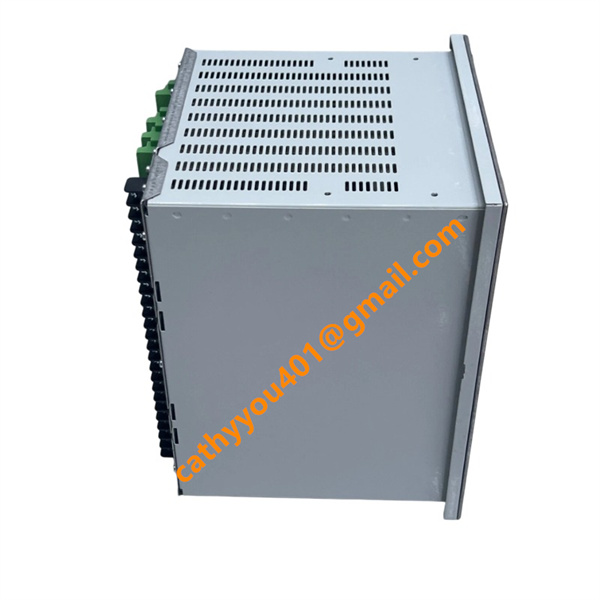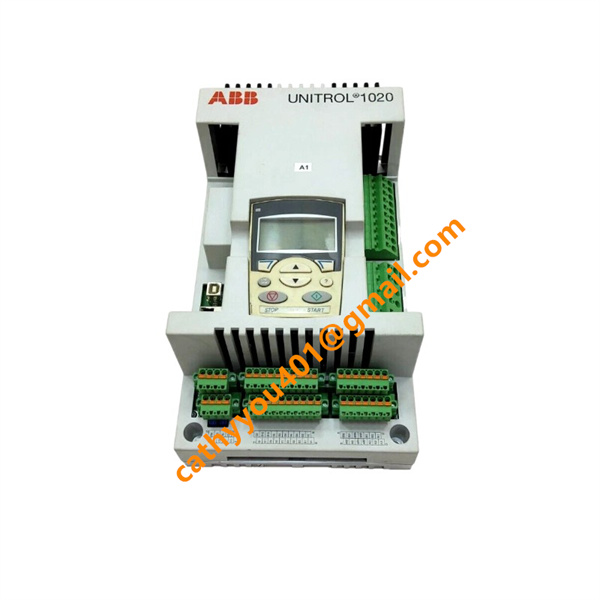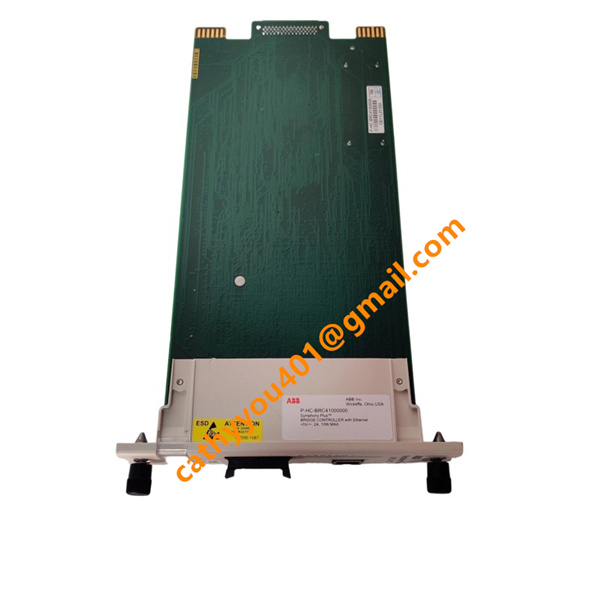





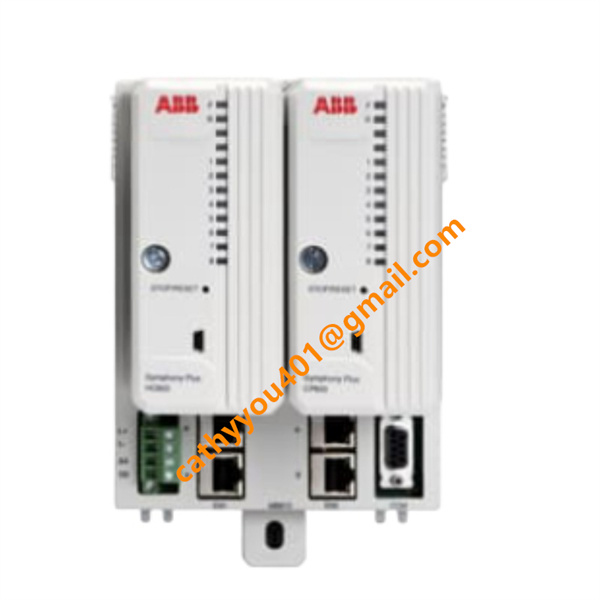
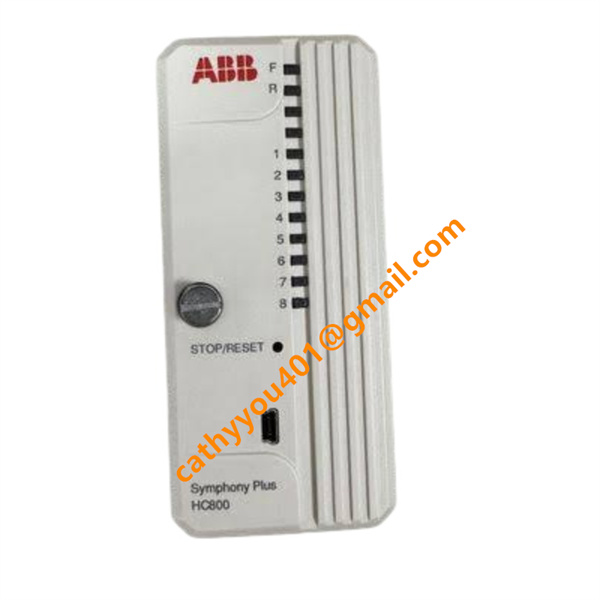







Description
-
BrandABB
-
ModelHC800
-
Product NameHPC800 Control Processor Module
-
Country of OriginSweden
-
HS Code85371091
-
Dimensions78.74 mm×243.84 mm×210.82 mm
-
Weight0.88 kg
-
Operating Temperature0 °C ~ +70 °C
-
Storage Temperature-40 °C ~ +85 °C
-
Power Supply24VDC
-
Warranty12 month
-
Product StatusNew and original
ABB HC800 Product Introduction & Technical Specifications
Electrical Technical Parameters
Power Supply Specifications
Nominal Input Voltage: 24 VDC (allowable tolerance ±20%, range: 19.2 VDC ~ 28.8 VDC)
Optional wide-range power supply: 48 VDC industrial backup power
Rated Operating Current: 2 A under 24 VDC nominal voltage
Maximum Power Consumption: ≤48 W
Built-in protection: Reverse polarity protection, overvoltage, overcurrent and short-circuit automatic protection
Hardware & Communication Configuration
Core Processor: 256 MHz high-speed real-time RISC processor
Memory Allocation: 64 MB DRAM, 4 MB system ROM, 2 MB NVRAM non-volatile memory for parameter backup
Main Communication Ports:Dual redundant 100 Mbps Fast Ethernet (PN800 bus)
Modbus TCP industrial Ethernet interface
RS232 service debugging port, RS485 fieldbus terminal
Redundancy Bus: Dedicated peer-to-peer redundant controller bus, data update cycle less than 100 ms

HC800 ABB Core Product Advantages
1. Ultra-Strong Control Computing Capacity: Supports 30,000 function blocks and multi-period task scheduling, realizes ultra-fast closed-loop response for massive I/O points, suitable for complex process regulation such as turbine speed control and boiler combustion adjustment.
2. Comprehensive Redundancy Design: Support dual CPU hot standby redundancy, redundant power supply and redundant communication network; automatic fault switchover without production interruption, fully meeting SIL industrial safety requirements.
3. Excellent Cross-Series Compatibility: Natively dock S800, Harmony Rack and SD three major I/O systems, directly migrate INFI 90 legacy control programs, greatly reducing system renovation cost and engineering workload.
4. Open Multi-Protocol Communication: Integrate Modbus TCP, Ethernet IP, OPC UA, Profibus and other mainstream industrial protocols, easy to connect with third-party PLC, DCS, SCADA and intelligent field instruments.
5. User-Friendly On-Site Maintenance: Hot-swappable module design allows replacement under power-on state; front LED fault indicator intuitively displays power status, communication status and module failure code.
6. Long-Term Industrial Durability: Military-grade component screening and full aging test, support 24/7 uninterrupted continuous operation, effectively extend service life and lower unplanned downtime risk.
7. Digital Industry 4.0 Support: Built-in hardware security encryption, secure boot function and role-based access control, support remote data upload and predictive maintenance for smart factory management.

HC800 ABB Standard Wiring & Installation Method
Pre-Wiring Safety Precautions
1. HC800 contains electrostatic sensitive PCB components; operators must wear anti-static wristbands before any wiring or plugging operation to avoid circuit burnout.
2. Cut off the cabinet main power supply completely before wiring the backplane terminal block, confirm no residual voltage in the circuit.
3. Classify cable routing strictly: power cables, analog signal cables and communication bus cables are laid separately to reduce electromagnetic crosstalk; all bus signals adopt shielded twisted-pair cables.
4. Maximum wire cross-section for terminal connection is limited to 2.5 mm solid copper wire.
Step-by-Step Wiring Procedures
1. DC Power Wiring
Connect 24 VDC or 48 VDC power supply to the dedicated power terminal of the cabinet backplane, strictly distinguish positive (+) and negative (-) poles, fully lock terminal screws to eliminate poor contact risk. Redundant dual power supply wiring is recommended for critical control occasions.
2. Backplane Module Plug-In Installation
Align HC800 card edge connector with the cabinet backplane slot, push horizontally until fully inserted, fasten the front panel fixing screws to lock the module position firmly.
3. Ethernet Communication Wiring
Plug standard CAT5e/CAT6 network cables into dual redundant Ethernet ports respectively; connect one cable to upper DCS host, the other to standby network switch for redundant backup. For Modbus TCP connection, follow T568B wiring standard for crystal head production.
4. Serial Debug Port Wiring
Use RS232 dedicated programming cable to connect the HC800 service port to laptop, for offline program download, parameter configuration and fault diagnosis.
5. I/O Bus Backplane Wiring
Complete bus connection between HC800 main controller and each I/O module via cabinet internal backplane; install 120 Ω terminal matching resistor at the last I/O module of the bus trunk to guarantee signal integrity.
Post-Wiring Commissioning Steps
1. Inspect all wiring for short circuit, open circuit and reversed polarity faults before power-on; check module insertion tightness.
2. Power on the system, observe front panel LED indicators to confirm normal power supply and no hardware failure alarm.
3. Connect engineering laptop via RS232 port, download control program, configure IP address, communication protocol and redundant master-slave mode parameters.
4. Perform master-standby CPU switchover test manually to verify automatic failover function; conduct full I/O point test to confirm signal collection and control output accuracy.
5. After all functional tests pass, switch the system to automatic operation mode for formal on-line running.