












Description
-
BrandSHINKAWA
-
ModelVM-741B/TB1
-
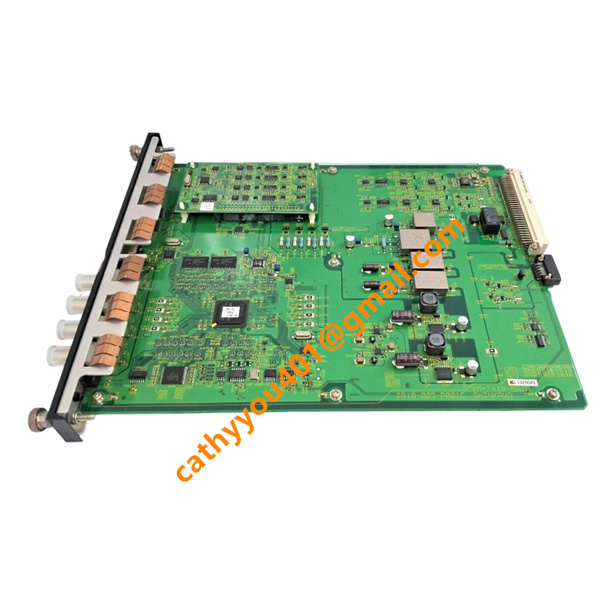
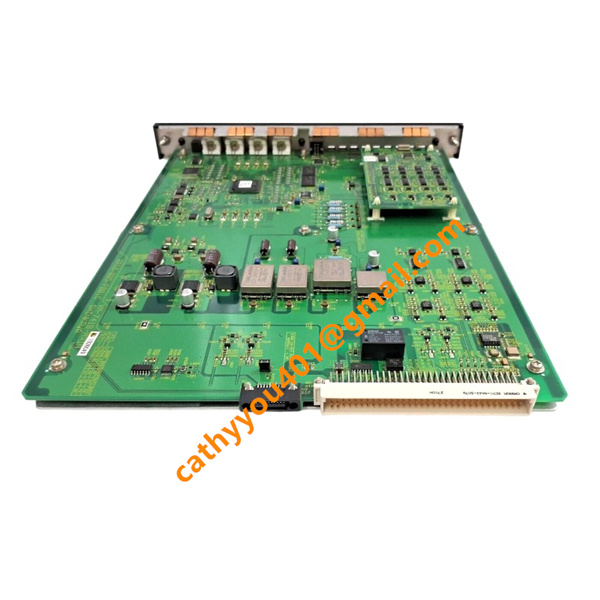
Product NameVM-741B/TB1 Local Communication & Phase Marker Input Module
-
Country of OriginJapan
-
HS Code85371099
-
Dimensions200mm height × 140mm width × 90mm depth
-
Weight0.84kg
-
Operating Temperature-10°C to +70°
-
Storage Temperature-25°C to +75°C
-
Power Supply24vdc
-
Warranty12 month
-
Product StatusNew and original
SHINKAWA VM-741B/TB1 Local Communication & Phase Marker Module Introduction
Operating & Storage Temperature Range
Continuous working ambient temperature: -10°C to +70°C for on-site cabinet installation
Long-term spare part storage temperature: -25°C to +75°C
Operates reliably under relative humidity 5%–90% without condensation, with anti-vibration and dust-proof performance for power station control rooms
Voltage Parameters
Module auxiliary power supply voltage: 24 VDC ±10% supplied from VM-7 series rack backplane
Phase marker signal input voltage range: Max 50 Vp-p pulse signal input
Analog recorder output signal: 1–5 VDC proportional analog signal
Internal circuit isolation withstand voltage: 500 VAC between field signal and rack bus circuits
Current Parameters
Total backplane power consumption of the module: Less than 6W
System OK relay contact rated current: 5A resistive load at 24VDC
Analog recorder output loop maximum load current: 20mA
Phase marker input loop impedance: Around 50kΩ with low signal loss

VM-741B/TB1 Wiring Method
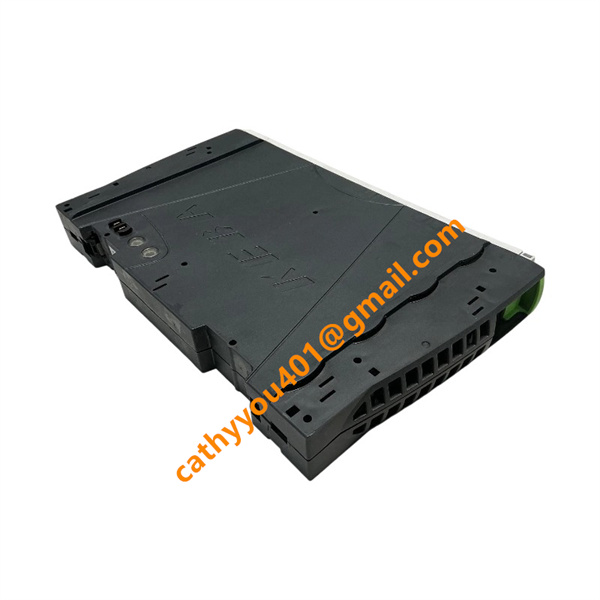
The VM-741B/TB1 is equipped with standard Phoenix pluggable screw terminal blocks matched with the TB1 configuration, consisting of a 15-pin terminal plug for 4-channel phase marker input and multiple 6-pin terminal plugs for system contact output and communication wiring. All terminal blocks adopt 3.81mm pitch screw locking structure, supporting solid copper wires from 0.5mm² to 1.5mm². Separate terminal partitions are arranged for power supply, phase marker pulse input, system alarm relay output, analog recorder signal and PE protective grounding. The detachable terminal plug design allows quick disassembly without cutting field cables during module replacement. Rear side golden edge connector realizes bus communication connection with the VM-7 series rack backplane, achieving data interaction with vibration monitoring modules, power supply units and network transmission modules inside the cabinet.

VM-741B/TB1 Main Product Advantages
1.Equipped with 4 independent phase marker input channels with selectable 1V/2V/5V hysteresis thresholds, supporting a maximum rotational speed of 60,000 rpm to adapt to high-speed turbines and generator units.
2.Integrated with Modbus TCP and Modbus RTU dual protocols, enabling seamless data transmission to DCS, PLC and upper monitoring systems for centralized equipment health management.
Built-in event log memory automatically records system faults and abnormal signals, supporting efficient post-fault traceability and failure analysis.
3.Front-panel multi-channel LED indicators intuitively show signal status, system operation and communication faults, enabling fast on-site diagnosis without external testing tools.
4.Adopts full electrical isolation between field signals and internal rack bus, eliminating ground loop interference and protecting the main monitoring rack from surge damage.
5.Features a standard 19-inch plug-in rack design, fully compatible with SHINKAWA VM-7 series racks for flexible combination with various monitoring and output modules.
6.Utilizes industrial aluminum baseplate and reinforced PCB structure, providing excellent vibration resistance and stable performance in harsh power and chemical plant environments.
7.Matched with dedicated TB1 terminal blocks for standardized wiring, simplifying field installation and daily maintenance, and supporting direct drop-in module replacement without system modifications.
8.Certified with CE and CSA standards and compliant with Class I Division 2 hazardous area specifications, suitable for diverse energy and process industrial scenarios.
9.Equipped with Achilles Level 2 security protection to prevent unauthorized parameter changes, ensuring long-term stable and safe operation of critical rotating machinery protection systems.