




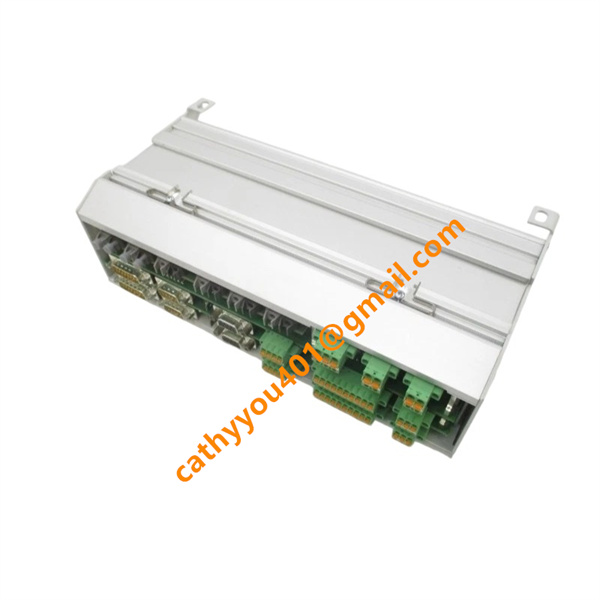
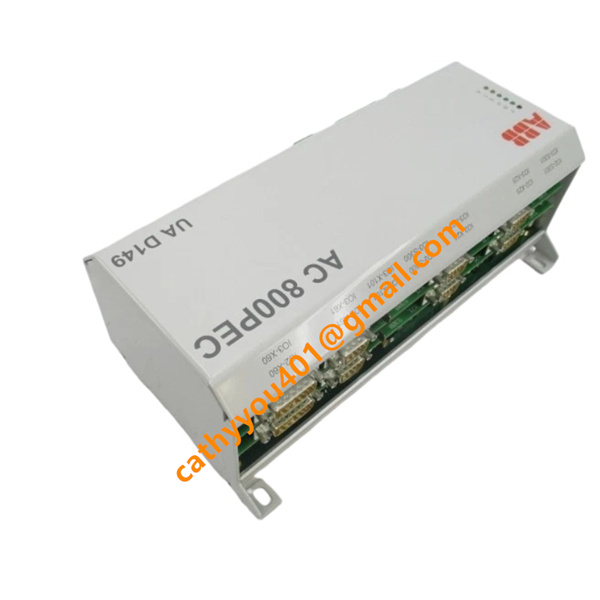







Description
-
BrandABB
-
ModelUA D149
-
Product NameCombination Digital & Analog I/O Control Module
-
Place of OriginSweden
-
HS Code8537101100
-
Dimensions196mm×156mm×85mm(W×H×D)
-
Weight1.03 kg
-
Operating Temperature-20 °C to +70 °C
-
Storage Temperature-40 °C to +85 °C
-
Part Number3BHE014135R0011
-
Warranty12 month
-
Product StatusNew and original
UA D149 (3BHE014135R0011) Electrical Technical Parameters
Power Supply Voltage: 24 V DC industrial power supply
Typical Operating Current: 50 mA under rated working condition
Analog Input Channels: 4 channels, standard 4–20 mA signal acquisition
Analog Output Channels: 2 channels, standard 4–20 mA control output
Digital Input Channels: 16 channels for field switch signal collection
Digital Output Channels: 8 relay output channels for on-site equipment control
Core Processor: 32-bit RISC CPU with 40 MHz main frequency
Onboard Memory: 256 KB RAM, 512 KB Flash
Communication Interfaces: RS232, RS485 and Ethernet ports, supporting multi-protocol data transmission

Installation Guidelines of UA D149 (3BHE014135R0011)
This ABB UA D149 module adopts standard 35 mm top-hat DIN rail vertical mounting for indoor cabinet installation, allowing side-by-side arrangement with other control modules for space-saving layout.
Before installation, ensure the site is dry, ventilated, and free from strong vibration, corrosion and electromagnetic interference. Cut off system power completely and check the module condition before operation.
Mount the module by aligning its rear buckle with the DIN rail and pressing down until the spring clip locks securely. Keep the module vertical and reserve proper clearance for heat dissipation.
During wiring, separate power, analog and signal cables to avoid interference. Shielded cables are recommended for analog circuits. Secure all terminals and ensure reliable grounding for stable operation.
For dismounting, fully power off the system and disconnect all cables. Release the bottom spring latch with a screwdriver and remove the module from the rail.
Operate the module in a well-ventilated, non-condensing and non-corrosive indoor environment. Avoid fully sealed enclosures to prevent overheating and ensure long-term operational stability.