





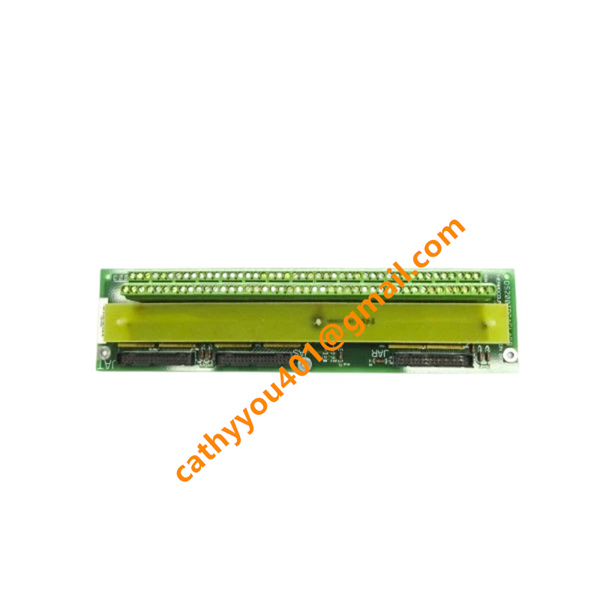







Description
-
BrandGE
-
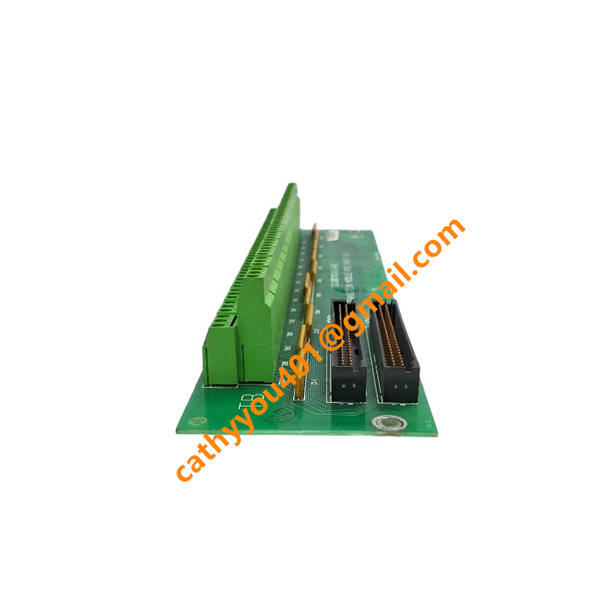
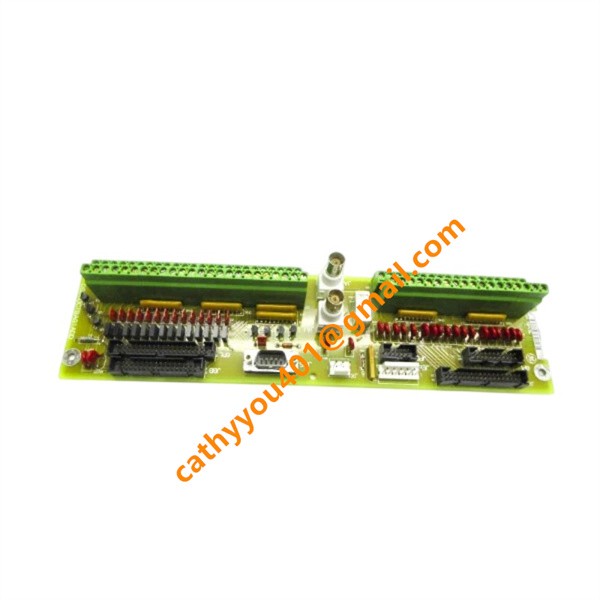
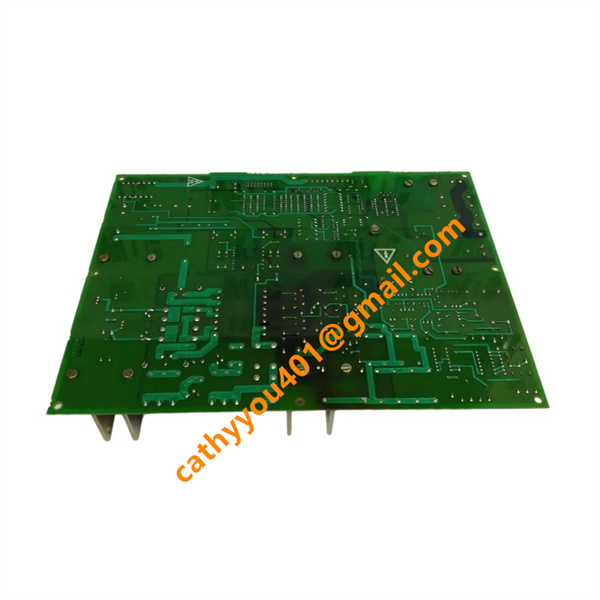
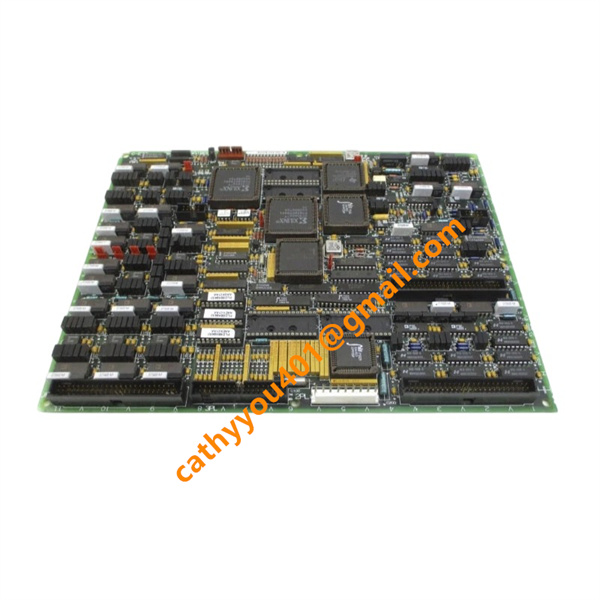
ModelDS200TBQAG1ABB
-
Product NameRST Thermocouple Termination Board
-
Place of OriginUnited States
-
HS Code85389091
-
Dimensions330 mm × 102 mm × 28 mm
-
Weight0.61 kg
-
Operating Temperature-20°C ~ +60°C
-
Storage Temperature-40°C ~ +85°C
-
Power Supply24VDC
-
Warranty12 MONTH
-
Product StatusNEW AND ORIGINAL
Backed by abundant in-stock inventory and nearly 20 years of industry experience, our company stands as a leading player in the industrial control sector.We offer an extensive range of industrial control products covering numerous models. Should you have any other requirements, please feel free to contact us, and we will respond to you promptly.
Our main brand:
1.ABB's module cards, touch screens, controllers, etc., such as PP846 touch screen, IGCT starting with 5SHY, PM starting controller, AI, DO starting input/output module, SP starting Bailey module, etc
2.GE's module card CPUs, such as VMIC starter, IS200, IS215, IS400, IS420 series, etc,
3.Emerson's card components and EPRO probes, Westinghouse 1C series, Honeywell CC series, Schneider 140 series, Envision full series, Bentley 3500 series, Rexroth motors and drives, and Foxboro small modules.
Power Parameters
Operating Input Voltage: 24 VDC
Typical Power Consumption: 10 W
Signal Input Specifications
Standard Analog Current Input: 4–20 mA
Supported Analog Voltage Range: ±10 VDC / 0–10 VDC
Input Channels: 16 isolated analog input channels
Signal Resolution: 12–16 bit high-precision sampling
Signal Output Specifications
Standard Analog Current Output: 4–20 mA
Output Drive Capacity: Low-power loop drive for field transmitters and valve positioners

1. Board No Power / Self-Diagnosis Failure
Fault Phenomenon: The board shows no LED indicator after power-up, fails self-diagnosis, and cannot establish communication with the control system.
Causes: Unstable or abnormal 24 VDC power input, insufficient backplane fitting contact, and damaged internal power circuits.
Solutions: Confirm the 24 VDC power supply operates within the rated range; re-seat and fasten the board to ensure complete backplane contact; inspect power terminals for open circuits and short circuits; replace the board if internal power circuits are defective.
2. Analog Input Signal Abnormality
Fault Phenomenon: Loss of 4–20 mA or ±10 VDC analog signals, floating data values and inaccurate sampling results during system operation.
Causes: Loose or poor field wiring connection, reversed signal polarity, faulty field sensors/transmitters, channel performance aging and electromagnetic signal interference.
Solutions: Inspect and fasten all signal terminals, and correct wiring polarity; test and verify the working status of field measuring devices; separate signal cables from power cables to avoid crosstalk interference; perform channel calibration or replace abnormal analog channels.
3. Analog Output No Response / Output Deviation
Fault Phenomenon: No 4–20 mA control output, unstable output current, and no feedback response from field valves and actuators.
Causes: Open circuit or short circuit in the output signal loop, overload resistance exceeding the rated range, and damaged internal DAC conversion circuits.
Solutions: Comprehensive check of field output loops for circuit faults; verify the load resistance conforms to system specifications; test output accuracy of each channel; replace the board if internal output circuits are permanently damaged.
4. System Communication Failure
Fault Phenomenon: The board displays offline status, abnormal data transmission and failed inter-board data synchronization.
Causes: Loose or disengaged ribbon communication cables, missing matching terminal resistors, and external bus electromagnetic interference.
Solutions: Reconnect and securely lock all communication cables; install standard terminal resistors for idle ports to stabilize bus signals; eliminate peripheral interference sources; perform system restart to reset bus communication.
5. Intermittent Signal Fluctuation
Fault Phenomenon: Irregular signal jitter and occasional data deviation under normal system operating conditions.
Causes: Dust accumulation on the board, poor heat dissipation, aging wiring terminals and mechanical vibration of the equipment rack.
Solutions: Clean board dust with dry compressed air; improve rack ventilation and heat dissipation conditions; reinforce all wiring terminals to avoid virtual connection; eliminate rack vibration faults.
6. Overheat & Protection Alarm
Fault Phenomenon: Abnormal board overheating, frequent activation of overcurrent/overtemperature protection, and automatic interruption of signal transmission.
Causes: Long-term full-load operation, blocked heat dissipation channels and aging internal electronic components.
Solutions: Eliminate abnormal load operation; clean heat dissipation passages to ensure unobstructed ventilation; replace aging components; monitor real-time operating temperature to prevent long-term overload operation.

Frequently Asked Questions (FAQ)
1.How fast will you reply to my inquiry?
We process all inquiries efficiently and will respond promptly once we receive your message.
2.Do you carry large inventory of industrial control parts?
We maintain massive ready stock of mainstream automation spare parts to shorten lead times.
3.Can you source discontinued or obsolete PLC & DCS modules?
Absolutely.
We specialize in sourcing hard-to-find, obsolete and out-of-production industrial control components.
4.Do you inspect goods before shipment?
Every product undergoes thorough inspection before packing and dispatch.
5.Can you ship orders worldwide?
We provide global shipping with flexible logistics for urgent and regular orders.
6.What payment methods are available?
We accept multiple secure payment options. Please contact our sales team for detailed terms.