





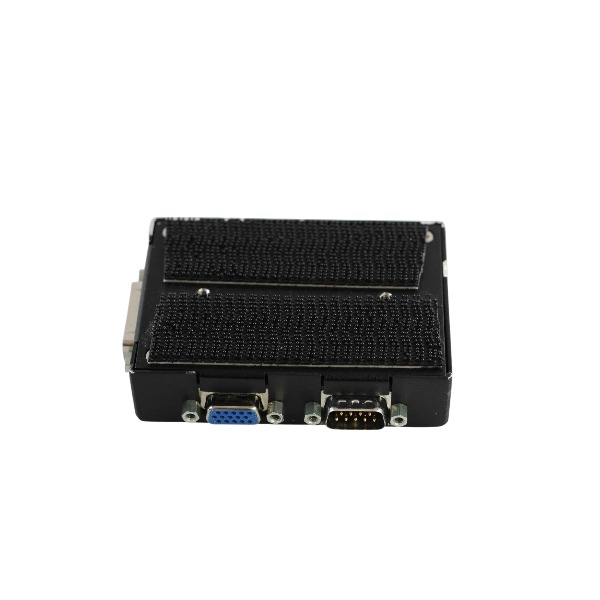







Description
-
BrandAMAT
-
Model0190-17499
-
Product Name
-
Place of OriginUnited States
-
Customs HS Code8543709990
-
Power Supply30 mA at 24 VDC
-
Dimensions82 mm (height) × 46 mm (width) × 28 mm (depth)
-
Weight0.12 kg
-
Operating Temperature10°C to +60°C
-
Storage Temperature-20°C to +70°C
-
Warranty12 month
-
Product Statusnew
AMAT 0190-17499 Mag Lev Thin Position Rotor Installation Guide
Pre-installation preparation
Implement lockout-tagout procedures to isolate power, gas and vacuum sources of the semiconductor chamber. Prepare cleanroom nitrile gloves, lint-free wipes, calibrated torque instruments and the special rotor handling fixture. Inspect the rotor for scratches, dents, coating defects and particulate contamination, and confirm that its part number and serial number match the BOM. Check that the maglev spindle stator assembly is clean and free of wafer fragments and process residues. Complete visual inspection of spindle gap sensors and position sensing coils before installation.
Cleaning and contamination control
All work must be carried out in an ISO Class 2 or Class 4 clean environment. Clean the rotor mounting surfaces and stator mating faces using approved solvent and lint-free wipes. Prevent direct contact with the rotor’s precision magnetic surfaces and thin coating areas to avoid particle generation and surface damage. Retain the protective packaging until the rotor is ready for fitting.
Mechanical mounting and alignment
Use only the dedicated handling tool to lift the rotor; do not touch the magnetic working surface. Carefully place the rotor onto the maglev spindle hub and align the orientation notch with the stator reference mark. Adjust rotor concentricity to ensure a consistent air gap between the rotor and stator. Tighten fasteners to the factory torque specification in a cross pattern to prevent uneven stress. Verify there is no mechanical interference between the rotor, sensor heads and other chamber components.
Gap and position sensor calibration
After mechanical installation, power on the maglev controller and activate controlled low-speed mode. Execute the automatic gap calibration routine in the equipment host software. Validate that readings from all position sensors fall within the calibrated range, and adjust sensor offset for any out-of-tolerance channels. Inspect the rotor for tilt or eccentricity and re-align if necessary.
Vacuum and leak check
Close the chamber access door and evacuate the chamber gradually. Carry out helium leak testing on the rotor assembly and spindle feedthrough connections. Ensure the leak rate satisfies chamber process requirements; reseal sealing parts if leakage is detected.
Spin test and commissioning
Activate maglev levitation and start with a low-speed spin test. Monitor levitation stability, vibration magnitude and position feedback signals via the machine controller. Increase speed stepwise to the rated operating speed and perform stability testing. Record baseline vibration, air gap and position data for later reference. Confirm no levitation failures, signal loss from sensors or abnormal noise while rotating.
Post-installation confirmation and release
Store calibrated parameters into the equipment recipe. Clean the inside of the chamber and remove all tools and foreign debris. Remove lockout-tagout and restore process utilities. Run a non-product dummy cycle to verify rotor position feedback and maglev performance prior to wafer production.

AMAT 0190-17499 Mag Lev Thin Position Rotor Operation and Maintenance Guide
Safety prerequisites
All handling, installation and maintenance activities shall be completed by qualified cleanroom technicians. Lockout-tagout procedures must be implemented to isolate chamber power, gas sources and vacuum before any work. Only the dedicated rotor lifting fixture can be used; direct contact with magnetic coating and precision working surfaces is prohibited. ISO-grade cleanroom nitrile gloves and lint-free garments shall be worn to prevent particulate contamination.
Correct operation procedures
Carry out visual inspection of the rotor before each chamber cycle to confirm no coating peeling, scratches, process residues or wafer fragments. Check the status of the maglev controller and sensor health prior to activating levitation. Perform a low-speed levitation test first, verify air-gap data and vibration feedback, then ramp the speed gradually to recipe setpoints. Continuously monitor rotor position, air-gap stability and levitation status during wafer processing. Shut down equipment immediately once levitation faults, excessive vibration or sensor signal loss occurs; repeated restarts are not allowed without root cause analysis. Prevent abrupt chamber venting and pressure surges which may lead to rotor touchdown and mechanical collision.
Daily and periodic preventive maintenance
Daily: Record baseline levitation current, vibration, air-gap values and alarm logs from the equipment host; monitor chamber particle levels and visually check contamination around the rotor assembly.
Weekly: Inspect sensor heads, stator coils and feedthrough seals for accumulated deposits; conduct light cleaning with AMAT-approved cleanroom solvents and lint-free wipes.
Scheduled PM: Run maglev air-gap recalibration through equipment software; check touchdown bearing clearance; test helium leak rates at spindle feedthrough connections. Back up calibration recipes and trend data for comparative analysis.
Storage: Store spare rotors in original sealed clean packaging inside a temperature-controlled clean cabinet. Prevent impact, vibration and exposure to strong magnetic fields during transportation.
Cleaning rules
Only AMAT-certified solvents and lint-free wipes can be adopted. Cleaning is limited to non-magnetic mounting surfaces; scrubbing or wiping the thin magnetic coating is forbidden. Remove process residues gently without abrasive materials. Recalibration of position sensors is mandatory if the magnetic layer is touched during cleaning.
Fault handling and replacement
When touchdown or levitation alarms are triggered, cut off power and wait until the rotor fully lands before disassembly. Extract error codes, air-gap logs and vibration waveforms for troubleshooting. Replace the rotor instead of repairing it if the magnetic coating suffers damage, scratches or irreversible contamination. Follow the official installation procedure for reinstallation, and complete automatic gap calibration, helium leak test and stepwise spin verification before putting the tool back into production.
Key prohibitions
Do not rotate the rotor manually when the system is powered on or levitation remains unstable. Unapproved torque tools and alternative fasteners are not permitted. Keep the rotor away from powerful external magnets. Do not operate the system with non-compliant leak rates or contaminated sensor surfaces. Product wafer processing cannot start after maintenance until dummy wafer qualification passes.
Lifecycle management
Track total spin runtime, touchdown incidents and calibration cycles. Preserve inspection records marked with serial numbers. Comply with the service life recommended by AMAT; arrange factory refurbishment or replacement once performance degrades beyond acceptable thresholds.



.jpg)